
If you’re pregnant, keeping your teeth and gums healthy matters just as much as ever—maybe even more. Pregnancy changes a lot about your body, so it’s totally normal to worry about how things like a root canal could affect you and your baby. The good news? Dentists at Excel Dental in Missouri City always prioritize your safety during every procedure.
Is it safe to get a root canal while you’re pregnant?
In short: yes.
But there are a few things to keep in mind. Let’s walk through what you need to know so you can make choices you feel good about during this vital time.
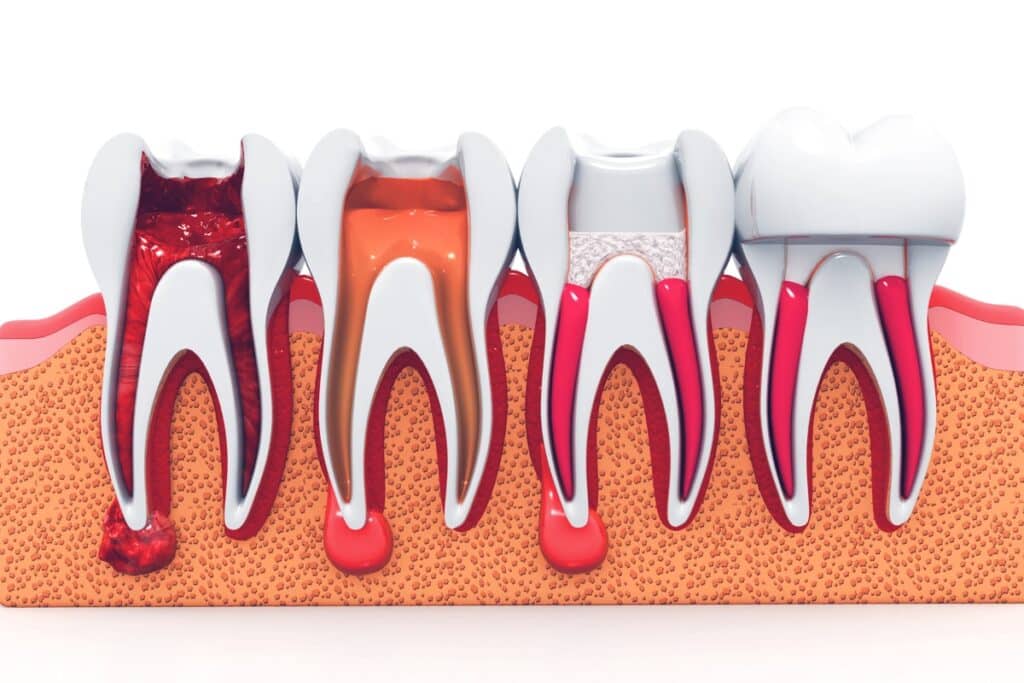
First off, here’s what a root canal really is: it’s a routine dental fix that clears out infected or damaged tissue from inside a tooth to stop the pain and save the tooth itself. Your dentist cleans out the problem area and seals it up so infection can’t come back.
Now, pregnancy can make dental care a bit trickier. Hormones are all over the place, and your gums and teeth might feel the difference. You’re more likely to get gum disease or cavities while you’re expecting. If you end up with a tooth infection or serious oral pain, don’t ignore it—root canals can stop the pain and help you avoid extensive health problems.
Root Canal During Pregnancy: What You Need to Know
- Timing: The best window for most dental work, including root canals, is the second trimester (weeks 13–26). By then, your baby’s major organs are developed, and you’ll probably feel more comfortable than in the first or last trimester.
- Pain relief: Dentists use local anesthesia to numb your tooth during a root canal. Most of these numbing meds are safe during pregnancy, and your dentist will use just enough to keep you comfortable. If you’re worried, talk it out with your dentist—they want you to feel safe, too.
- X-rays: Sometimes, X-rays are needed for a root canal. Dentists know how to keep radiation exposure as low as possible, using lead aprons and thyroid collars to protect you and your baby. Usually, unless it’s urgent, they’ll skip X-rays in the first trimester.
- Medications: If you’ve got an infection, you might need antibiotics. Many are safe for pregnant women, but always double-check with your dentist to make sure you’re only taking what’s right for you and your baby.
Should you just wait until after the baby’s born?
Sometimes, sure—if the infection isn’t causing pain or trouble, or you’re early in your pregnancy, your dentist might suggest waiting. But putting off treatment too long can worsen the issue. Untreated dental infections can turn into abscesses, which can prove risky for both you and your baby, and waiting might mean you’ll need a more complicated procedure later.
Bottom Line
Don’t ignore dental problems while you’re pregnant. Infections can spread and even affect your overall health or your pregnancy. Gum disease in pregnancy has even been linked to early births and low birth weights. Taking care of dental issues protects both you and your baby.
If you need a root canal while pregnant, you’re in safe hands at Excel Dental. Our team understands what pregnant patients need and works hard to make sure you’re comfortable and protected. Got questions or worries? We’re here for you. Call us to schedule an appointment and let us help you keep your smile healthy throughout your pregnancy.
FAQs
- Can I get a root canal during the first trimester of pregnancy?
While it’s generally safer to wait until the second trimester, urgent cases may require treatment during the first trimester. Your dentist will assess the risks before proceeding. - Is anesthesia safe during a root canal while pregnant?
Yes, most local anesthetics used for a root canal are considered safe during pregnancy. Your dentist will use the lowest dose necessary to ensure comfort. - Are there any risks associated with delaying a root canal while pregnant?
Delaying a root canal could allow infection to spread, leading to more serious complications. It’s best to address the issue promptly to protect your health and your baby’s health. - Are there any special precautions for X-rays during a root canal while pregnant?
Yes, dentists take extreme precautions to minimize radiation exposure during X-rays. Protective aprons and thyroid collars are used to ensure your safety and your baby’s.