
If you’ve been told you need a root canal, your first question is probably: does it hurt? That fear stops many Missouri City patients from getting treatment they desperately need. The truth about does a root canal really hurt — what to actually expect in Missouri City — is far less scary than most people imagine. Dr. Andrew Nguyen at Excel Dental is here to give you an honest, clear answer.
Root canals have a bad reputation. Most of that reputation comes from outdated experiences or word-of-mouth stories. Modern dentistry has changed the procedure dramatically. Understanding what actually happens can help you feel calm and confident before your appointment.
Why Root Canals Have a Scary Reputation
The root canal’s fearsome image largely comes from a time before effective local anesthesia. Decades ago, procedures were more uncomfortable. Today, the experience is very different.
Here’s the reality: most patients who are afraid of a root canal report that the procedure itself was much easier than they expected. The pain you feel before a root canal — from a badly infected tooth — is almost always worse than the treatment itself.
Tooth infections cause throbbing, intense pain that can disrupt your sleep and daily life. A root canal is designed to relieve that pain, not create more of it. When patients understand this, their anxiety drops significantly.
Dr. Andrew Nguyen takes time to explain every step before starting. Education and communication reduce fear more than almost anything else. You will never feel like something unexpected is happening during your visit at Excel Dental.
Does a Root Canal Really Hurt? What Modern Anesthesia Does
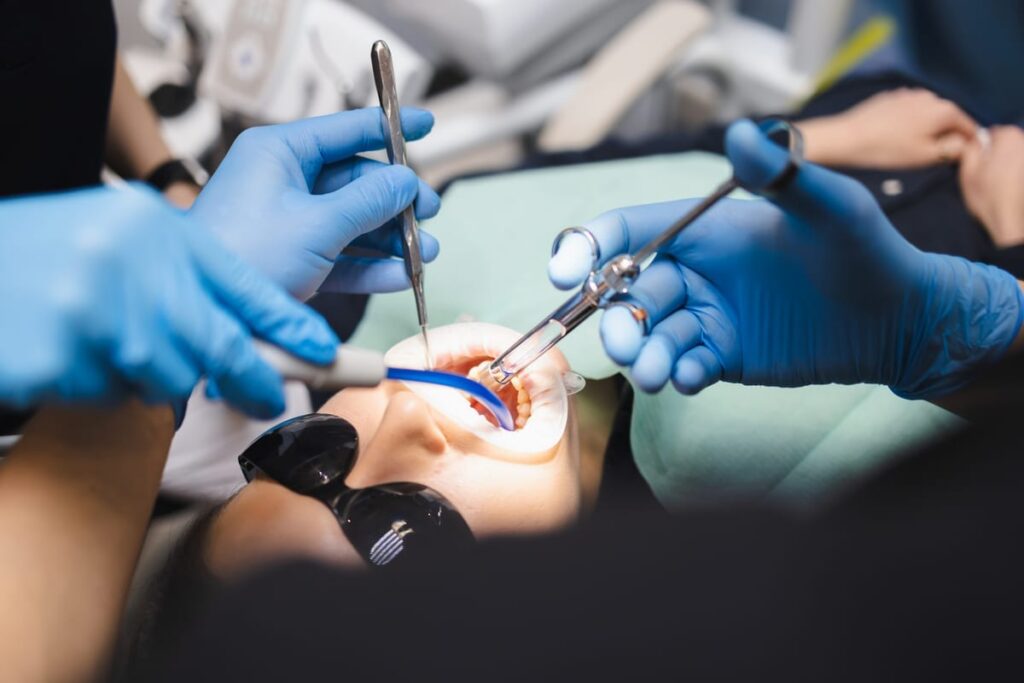
The honest answer is: a root canal should not hurt during the procedure. Local anesthesia is the key reason why. Dr. Nguyen numbs the area completely before doing any work.
Here is what the anesthesia process looks like at Excel Dental:
- A topical numbing gel is applied to your gum first.
- A local anesthetic injection follows — most patients feel only mild pressure.
- Dr. Nguyen waits until the area is fully numb before starting.
- If you feel anything at all, you can signal and more anesthetic is applied immediately.
Some patients with severe infections find that the area is harder to numb at first. This is because infection changes tissue chemistry. Dr. Nguyen has techniques to manage this effectively. You will not be asked to tolerate pain during treatment.
Patients in Missouri City asking what to actually expect should know: you will feel pressure and movement, but not sharp pain. That distinction matters. Sensation is normal — discomfort is manageable — actual pain during a root canal is not something you should experience.
What You Feel During vs. After the Procedure
Understanding the difference between during and after helps set realistic expectations. These are two very different experiences.
During the procedure:
- Pressure from dental instruments — not pain
- Vibration if a drill is used to access the tooth
- Occasional water spray or suction sounds
- A feeling of fullness in your jaw from the anesthetic
Most patients are genuinely surprised by how uneventful the procedure feels. Many even relax or zone out during treatment. The appointment typically takes between 60 and 90 minutes for most cases.
After the procedure: This is where some soreness is normal. Once the anesthetic wears off — usually a few hours later — you may notice mild to moderate tenderness. The area around the tooth may feel sensitive for two to four days. Over-the-counter pain relievers like ibuprofen manage this well for most people.
Swelling is possible but not universal. If your tooth was infected before treatment, post-procedure soreness may be slightly more noticeable. This is your body healing — it is a good sign, not a bad one.
Root Canal Recovery: What the First Week Looks Like in Missouri City
Recovery after a root canal is usually straightforward. Most Excel Dental patients in Missouri City return to work or normal activities the very next day. Knowing what to expect helps you plan ahead.
Here is a general recovery timeline:
- Day 1: Anesthetic wears off; mild soreness begins. Eat soft foods. Avoid chewing on the treated side.
- Days 2–3: Tenderness peaks. Continue over-the-counter pain management. Sensitivity to pressure is common.
- Days 4–5: Soreness begins to fade noticeably for most patients.
- Day 7 and beyond: Most patients feel back to normal. A follow-up crown appointment is typically scheduled around this time.
After a root canal, the treated tooth usually needs a crown to protect it long-term. Crowns Bridges Missouri City at Excel Dental are custom-designed to match your natural teeth. Dr. Nguyen will discuss your restoration plan before or after your root canal appointment.
Call Excel Dental if you experience severe pain that worsens after day three, visible swelling that spreads, or fever. These signs are uncommon but should be evaluated promptly.
How Dr. Andrew Nguyen Makes Root Canals Comfortable
Dr. Nguyen and the Excel Dental team in Missouri City have built their practice around patient comfort. This is not just a talking point — it shapes every part of the experience.
Comfort measures at Excel Dental include:
- Gentle, patient-paced injection technique to minimize discomfort
- Open communication throughout the entire procedure
- A warm, calm treatment environment
- Clear pre-appointment instructions so you feel fully prepared
If dental anxiety is a significant concern for you, mention it when you call. The team can discuss options to help you feel more at ease. Many patients who arrived frightened leave feeling relieved and wish they had come in sooner.
Beyond root canals, Excel Dental offers a full range of general and cosmetic dental services. If you’ve been thinking about improving your smile after completing necessary dental care, ask about Teeth Whitening Missouri City to finish strong with a brighter smile.
Conclusion: Honest Answers Lead to Better Care
The fear of a root canal is understandable — but it is largely based on myths. With modern anesthesia, skilled technique, and a compassionate team, the procedure is far more manageable than most patients expect. If you are in Missouri City and delaying treatment because of fear, you may be allowing a painful infection to get worse. Getting accurate information is the first step toward making a confident decision. Book Now to schedule your appointment with our team.
Frequently Asked Questions
Does a root canal hurt more than a regular filling?
Most patients report that a root canal feels similar to getting a filling. Both procedures use local anesthesia to numb the area. You may feel pressure and vibration, but sharp pain should not occur during treatment. Post-procedure soreness from a root canal can last a few days longer than after a filling.
How long does a root canal appointment take?
Most root canal appointments at Excel Dental take between 60 and 90 minutes. Complex cases or severely curved roots may take longer. Dr. Nguyen will give you a realistic time estimate during your consultation so you can plan your day accordingly.
Can I drive myself home after a root canal?
Yes, in most cases you can drive yourself home. Root canals use local anesthesia only, which does not impair your ability to drive. Your mouth may feel numb for a few hours afterward, but your reflexes and judgment are not affected. If you were given a sedative for anxiety, you would need a driver.
What happens if I do not get a root canal when I need one?
Leaving an infected tooth untreated allows the infection to spread. It can reach surrounding bone, neighboring teeth, or even your bloodstream in serious cases. Pain typically worsens over time. A root canal saves the tooth and stops the infection before it causes more damage.
How soon can I eat after a root canal?
Wait until the numbness has fully worn off before eating. This usually takes two to four hours. Start with soft foods on the first day and avoid chewing directly on the treated tooth. Most patients return to a normal diet within a few days as soreness fades.