
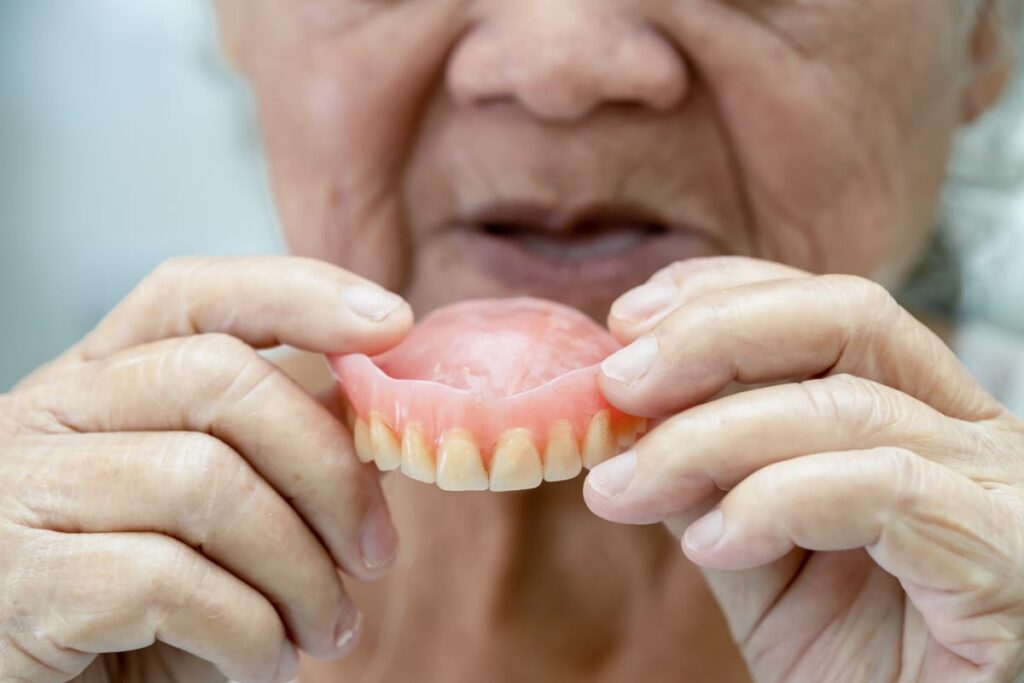
Your new dentures don’t mean giving up foods forever in Missouri City — that’s a common fear we hear at Excel Dental every week. Many patients worry they’ll spend the rest of their lives eating only soup and mashed potatoes. The truth is far more encouraging. With the right approach, most denture wearers gradually return to enjoying a wide, satisfying variety of foods.
Dr. Andrew Nguyen and the team at Missouri City Dentist – Excel Dental have guided hundreds of patients through this exact transition. This eating guide walks you through every stage — from your first soft meals to confidently biting into your favorite Texas barbecue again.
Your New Dentures Don’t Mean Starting With Bland Food in Missouri City
The first two weeks after receiving dentures are an adjustment period. Your gums are adapting to a new appliance, and your jaw muscles are learning new movements. Starting with the right foods protects your gums and helps your dentures seat properly.
During this early stage, focus on foods that require minimal chewing force. Think of this phase as temporary — not permanent. Your goal is to heal comfortably while your mouth adjusts.
Best foods for week one and two:
- Scrambled eggs and soft omelets
- Yogurt, pudding, and smoothies
- Mashed potatoes with butter or gravy
- Soft fish like tilapia or salmon
- Oatmeal and cream of wheat
- Ripe bananas and canned fruit
- Well-cooked vegetables like carrots and squash
Avoid chewing on one side only. Distribute food evenly on both sides of your mouth. This habit stabilizes your dentures and prevents them from tipping or shifting while you eat.
Foods to Avoid Permanently With Dentures
Some foods remain problematic even after you fully adapt to dentures. These aren’t temporary restrictions — they’re long-term adjustments that protect both your dentures and your gum tissue.
Hard and sticky foods create the most risk. They can crack denture material, dislodge the appliance, or cause painful sores on tender gum ridges. Knowing which foods to skip permanently saves you from costly repairs and discomfort.
Foods to permanently avoid or minimize:
- Whole nuts and hard seeds
- Hard candies and lollipops
- Sticky foods like caramel, taffy, and gummy candies
- Tough raw vegetables like whole carrots or celery sticks
- Corn on the cob
- Crusty baguettes or hard-crusted bread
- Steak that hasn’t been tenderized
- Popcorn with hard kernels
This list may look discouraging at first. Remember, most of these foods can be modified. Steak becomes enjoyable when sliced thinly across the grain. Nuts work well when chopped finely and added to soft dishes. Adaptation is about smart preparation, not deprivation.
How Your Diet Expands as You Adapt Over Weeks and Months
Most patients notice significant improvement between weeks three and eight. Your cheek muscles, tongue, and jaw all learn to work with your dentures rather than against them. This neurological adaptation is real and measurable.
By the end of the first month, many patients comfortably eat pasta, rice dishes, soft breads, and ground meat. By month three, the diet typically expands to include well-cooked chicken, tender pork, and most cooked vegetables. Each person’s timeline differs slightly based on bone structure and denture fit.
If your dentures shift or cause sore spots as you expand your diet, contact Dr. Nguyen promptly. Minor adjustments at Excel Dental can resolve these issues quickly. A well-fitting denture should feel stable during meals — not loose or painful.
Denture adhesive can also help during the adaptation phase. It adds stability and confidence at the table. Use it as a bridge tool while your gums adjust, not as a permanent fix for a poorly fitting appliance.
Practical Eating Tips That Make a Real Difference
Beyond choosing the right foods, how you eat matters just as much as what you eat. Small technique changes dramatically improve comfort and denture stability during meals.
Cut food into smaller pieces than you normally would. Chewing smaller bites reduces pressure on your gum ridges. Chew slowly and deliberately, alternating sides with each bite to keep the denture balanced.
Drink water or another beverage with meals. Moisture helps denture adhesive perform better and makes swallowing easier. Avoid extremely hot foods and beverages — dentures can insulate heat, making it harder to judge actual food temperature and increasing burn risk.
At restaurants around Missouri City, don’t hesitate to ask for modifications. Most local spots will slice meat thinner or cook vegetables softer upon request. There’s no reason to miss out on dining with friends and family.
If you experience persistent pain during eating, that’s a signal — not something to push through. Consistent discomfort usually means the denture needs a professional adjustment or reline. Some patients also ask about other comfort-focused dental services during their visits, such as Sedation Dentistry Missouri City, which can ease anxiety around dental procedures. Additionally, if tooth pain preceded your dentures, Dr. Nguyen may have discussed options like Root Canals Missouri City before proceeding with tooth replacement.
Getting the Most From Your Dentures Long-Term
Long-term denture success depends on regular professional care. Dr. Nguyen recommends periodic check-ups to assess fit, check for gum changes, and clean areas that home care can miss. Gum ridges naturally shrink over time, which affects how dentures sit and function.
Relining or rebasing your dentures every few years keeps them fitting snugly. A loose denture isn’t just uncomfortable — it increases the risk of sores, chewing difficulty, and even bone loss in the jaw. Staying on top of maintenance is the single best thing you can do to protect your eating ability long-term.
At home, clean your dentures daily with a soft denture brush and denture-specific cleaner. Never use regular toothpaste — it’s abrasive and scratches denture surfaces, creating grooves where bacteria accumulate. Store dentures in water or denture solution overnight to prevent warping.
With proper care and regular visits to Excel Dental, your dentures can serve you well for many years. And with the right eating strategies, you’ll find that your new dentures don’t mean giving up the foods you love forever. Book Now to schedule your appointment with our team.
Frequently Asked Questions
How long does it take to eat normally with new dentures?
Most patients adapt enough to eat a fairly normal diet within six to eight weeks. The first two weeks are the most challenging. By week four, many patients comfortably eat softer proteins and cooked vegetables. Full adaptation, including more textured foods, typically occurs within three months for most people.
Can I eat meat with dentures?
Yes, but preparation matters. Avoid tough, chewy cuts of meat, especially in the early weeks. Choose ground meat, slow-cooked pulled pork, or thinly sliced chicken at first. As you adapt, well-cooked or tenderized meats become manageable. Cutting meat into small pieces and chewing on both sides simultaneously helps maintain denture stability.
Will denture adhesive help me eat better?
Denture adhesive can improve stability during meals, especially in the early adaptation period. It’s a useful tool when used correctly. However, if you need large amounts of adhesive to keep your dentures in place, that’s a sign your dentures may need a professional adjustment or reline. Contact Dr. Nguyen at Excel Dental for an evaluation.
Are there foods I will never be able to eat again with dentures?
A small number of foods remain difficult or risky long-term — mainly very hard items like whole nuts, hard candies, and corn on the cob. Most other foods can be enjoyed with simple modifications like cutting, cooking longer, or chopping. Your overall diet should feel full and satisfying with the right adaptations.
How often should I visit the dentist after getting dentures?
Dr. Nguyen recommends follow-up visits within the first few weeks after receiving dentures, then at least once per year afterward. Gum tissue changes over time, which affects denture fit. Regular check-ups allow for timely adjustments and help prevent problems before they become painful or expensive to correct.